Maintenance Agent
Troubleshooting guidance, procedures, asset history and intervention support.
AI Workforce
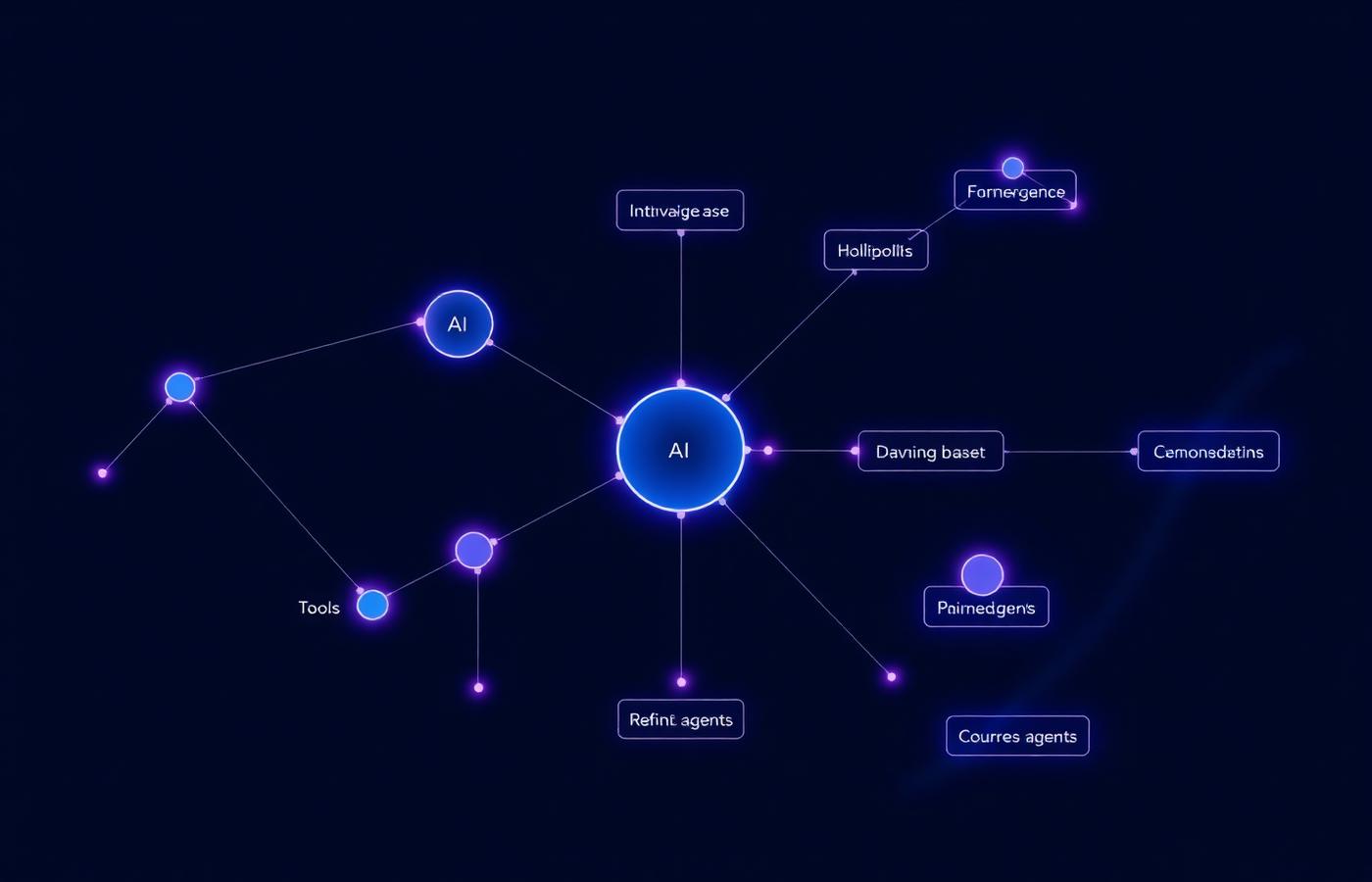
Nfinity agents are grounded in company knowledge, connected to approved tools and configured for the responsibilities, permissions and workflows of each role.
Design principles
Useful AI workforce deployments are grounded in permissions, context, approved tools and controlled action.
Role-specific permissions and responsibilities
Grounding in approved knowledge and operational data
Controlled actions, clear escalation paths and human oversight
Agent portfolio
Each agent is designed to reduce friction, surface relevant context and support faster decisions.
Troubleshooting guidance, procedures, asset history and intervention support.
Daily performance insights, issue escalation and process recommendations.
Standards, checks, deviations, corrective actions and audit support.
Scheduling, constraints, scenario comparison and plan adjustment.
Interactive guidance, personalized learning and knowledge validation.
Decision briefs, KPI synthesis, risk signals and strategic follow-up.
How it works
The goal is not generic chat. The goal is useful assistance tied to the right data, knowledge and operating rules.
Typical value
AI workforce initiatives are strongest when they improve consistency, speed and knowledge access across teams.
Shorter time to retrieve trusted procedures, history and operational context.
Better decision support for frontline teams, supervisors and managers.
Stronger onboarding and continuity of knowledge across roles.
Adoption journey
Most teams begin with a small number of high-friction roles, then expand once governance and value are clear.
Help operators and technicians retrieve the right step, history or recommendation at the right time.
Provide faster summaries of deviations, recurring issues and recommended follow-up actions.
Make procedures, lessons learned and role-specific guidance easier to transfer across teams.